ESAB industrial welding equipment logo
ESAB welding system operating in a fabrication bay
Process engineering for production welds

ESAB Welding Systems, Specified from the Joint Backward

Match MIG, TIG, stick and plasma equipment to base material, thickness, transfer mode, power availability and documented acceptance criteria—before the first purchase order is released.

Configuration matrix

Start with the variables that alter arc behavior

A power source is one element of a qualified welding system. The worksheet below turns production inputs into reviewable selection criteria without presenting sample values as product guarantees.

Joint and material inputs

Base material
Carbon steel, stainless steel, aluminum or application-specific alloy
Thickness window
Minimum, nominal and maximum production thickness
Joint geometry
Fillet, groove, lap, root opening and permitted weld position

Process controls

Arc mode
Short-circuit, spray, pulsed, AC/DC TIG or constant-current stick
Feeding path
Wire diameter, liner, drive rolls, gun length and spool location
Thermal demand
Expected arc-on time, duty-cycle basis and ambient condition

Verification package

Procedure basis
Applicable WPS, PQR, code edition and essential variables
Acceptance method
Visual inspection, macroetch, bend testing or customer-defined NDT
Handover evidence
Parameter record, operator setup sheet and maintenance baseline
Equipment by process

Five equipment families, one application brief

Use the product catalog for available models, then validate the complete torch, feeder, work lead, consumable and power arrangement against the production cell.

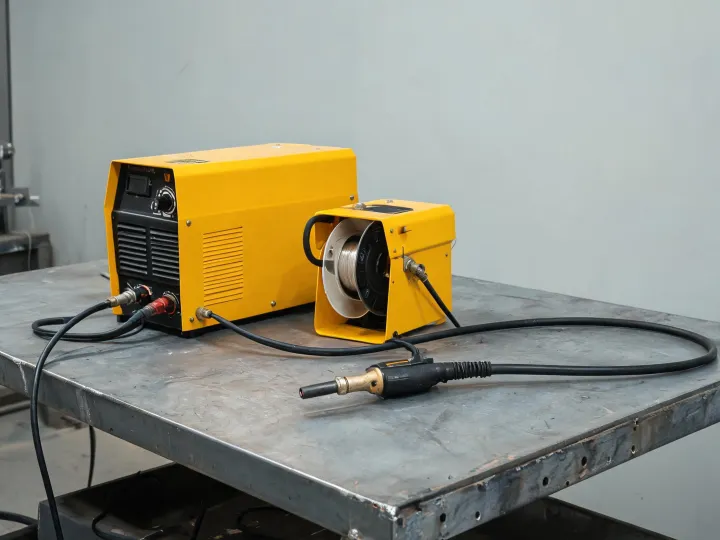
MIG welding power source and wire feeder
GMAW

MIG Welders

For wire-fed production where transfer mode, feeding stability and shielding coverage must be controlled together.

Inspect the catalog →
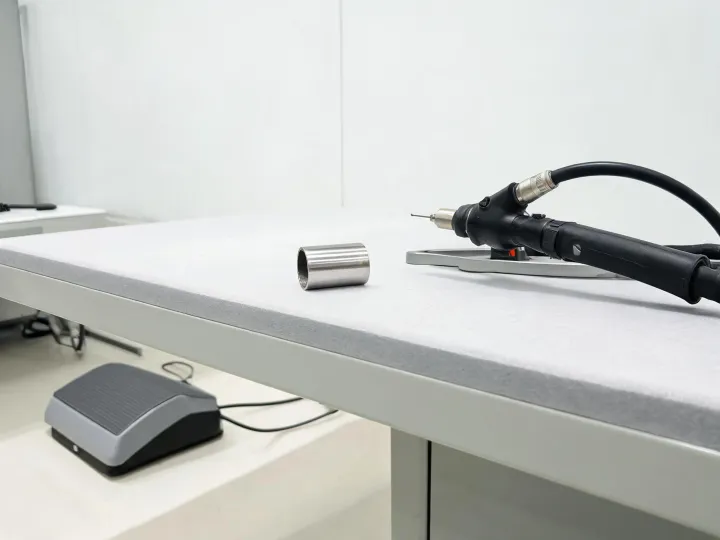
TIG welding setup for stainless tubing
GTAW

TIG Welders

For heat-input control, arc-start behavior and finish requirements on stainless, aluminum and specialist alloys.

Inspect the catalog →
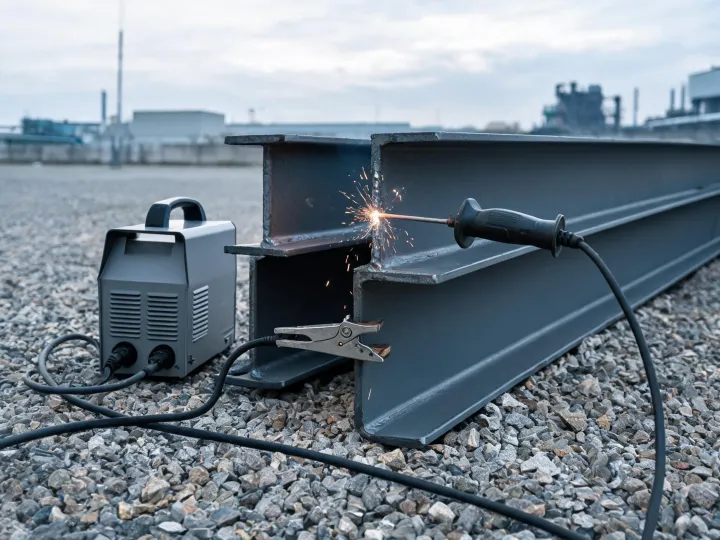
Portable stick welding equipment at structural steel
SMAW

MMA / Stick Welders

For repair, site work and electrode procedures that favor cable reach, rugged transport and stable constant current.

Inspect the catalog →
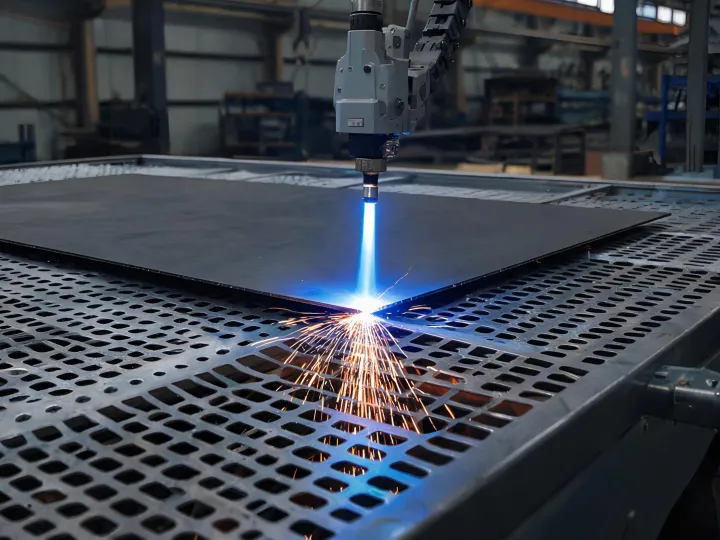
Plasma cutting equipment processing plate
PAC

Plasma Cutters

For cut-quality planning based on plate type, thickness, compressed-air condition and downstream edge preparation.

Inspect the catalog →
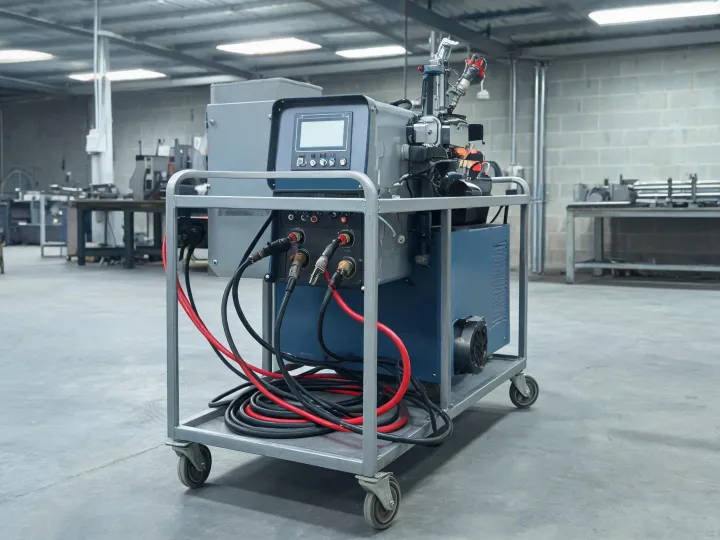
Multi-process welding machine in a cell
Multi-process

Welding Machines

For mixed work where process changeover, accessory compatibility and controlled parameter recall affect throughput.

Inspect the catalog →
Engineering input

Bring the joint, not just the amperage

A useful inquiry includes material grade, thickness range, joint drawing, weld position, production target, incoming power and the acceptance route.

Evidence before claims

Standards referenced at the procedure level

These marks identify common review frameworks, not blanket certification of every machine or application. Confirm the standard, edition and product documentation required by the job.

AWS welding code referenceAWS code basis
ISO welder qualification referenceISO qualification basis
IEC welding equipment referenceIEC equipment basis
EN conformity referenceRegional conformity basis
Technical desk

Questions that belong in the selection record

Process and power

No. Review the required output at a stated duty cycle and ambient condition, then include cable length, waveform, feeder load and allowable thermal interruptions. Peak output alone does not describe production capacity.

Pulsed transfer can widen operating options for certain alloys, positions and heat-input limits. It also increases setup dependencies. Compare coupon results, operator training and parameter control with a simpler transfer mode before standardizing.

Qualification and ownership

No. Equipment capability supports a procedure, but the WPS, PQR, welder qualification and inspection plan remain separate controls under the applicable code and contract.

Run representative coupons with the intended consumable, torch, gas, joint and power supply. Record settings and arc-on time, inspect the weld, then document any limits before approving the production configuration.
Configuration review

Put the joint drawing beside the machine shortlist

Send the base material, thickness window, weld position, power supply and acceptance method. The response can then focus on a defensible process envelope.